
Waste Heat Boiler Manufacturer
Project-specific waste heat boiler solutions for steel, cement, glass, non-ferrous, petrochemical and other industrial processes. Available process heat can be recovered as steam or hot water, with expected performance reviewed against the supplied operating data.
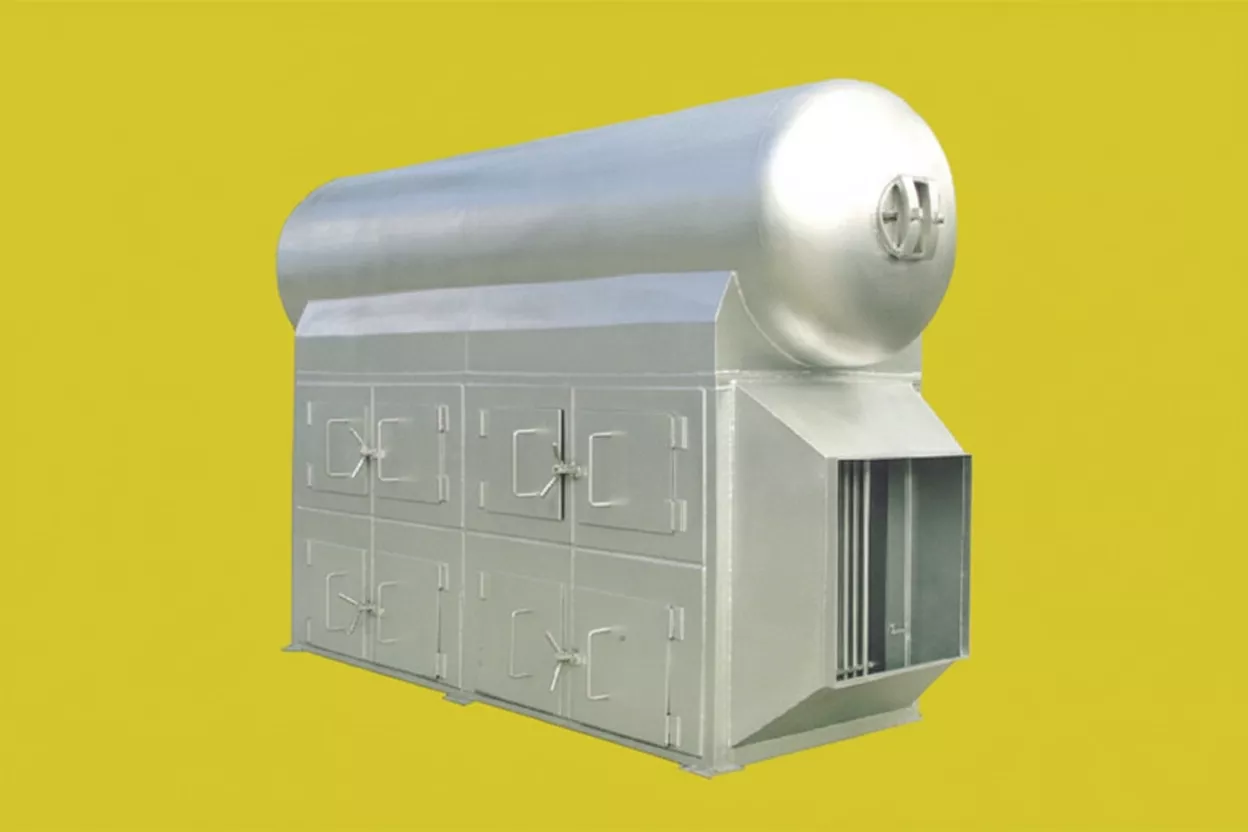
Product Range
Waste Heat Boiler Models & Configurations
Configuration and supply scope are reviewed for each project, from clean gas service to dust-laden flue streams. Final selection depends on process data, applicable code, site constraints and the agreed technical scope.
Vertical Natural Circulation
- • Vertical arrangement for selected applications
- • Modular transport sections when practical
- • Natural-circulation configuration
Horizontal Heat-Recovery Configuration
- • Gas-side pressure drop reviewed by project
- • Water-tube or other arrangement selected by service
- • Maintenance access considered in layout
Hybrid Water/Fire Tube
- • Superheater integration can be reviewed
- • Operating range assessed by project
- • Heat-transfer arrangement selected by service
Project-Specific Waste Heat Boiler Review
Send your gas analysis and process data so we can review a suitable configuration and supply scope.
Manufacturing Capabilities
Boiler & Pressure-Part Manufacturing
Fabrication facilities in Jiangsu, China, with qualified welding procedures and inspection arrangements defined by the applicable code, approved documents and project scope.
Years of Experience
Boiler and pressure-equipment projects
Global Projects
Across multiple industries and product categories
Countries Served
International project and export experience
Inspection Planning
Defined by code and project requirements
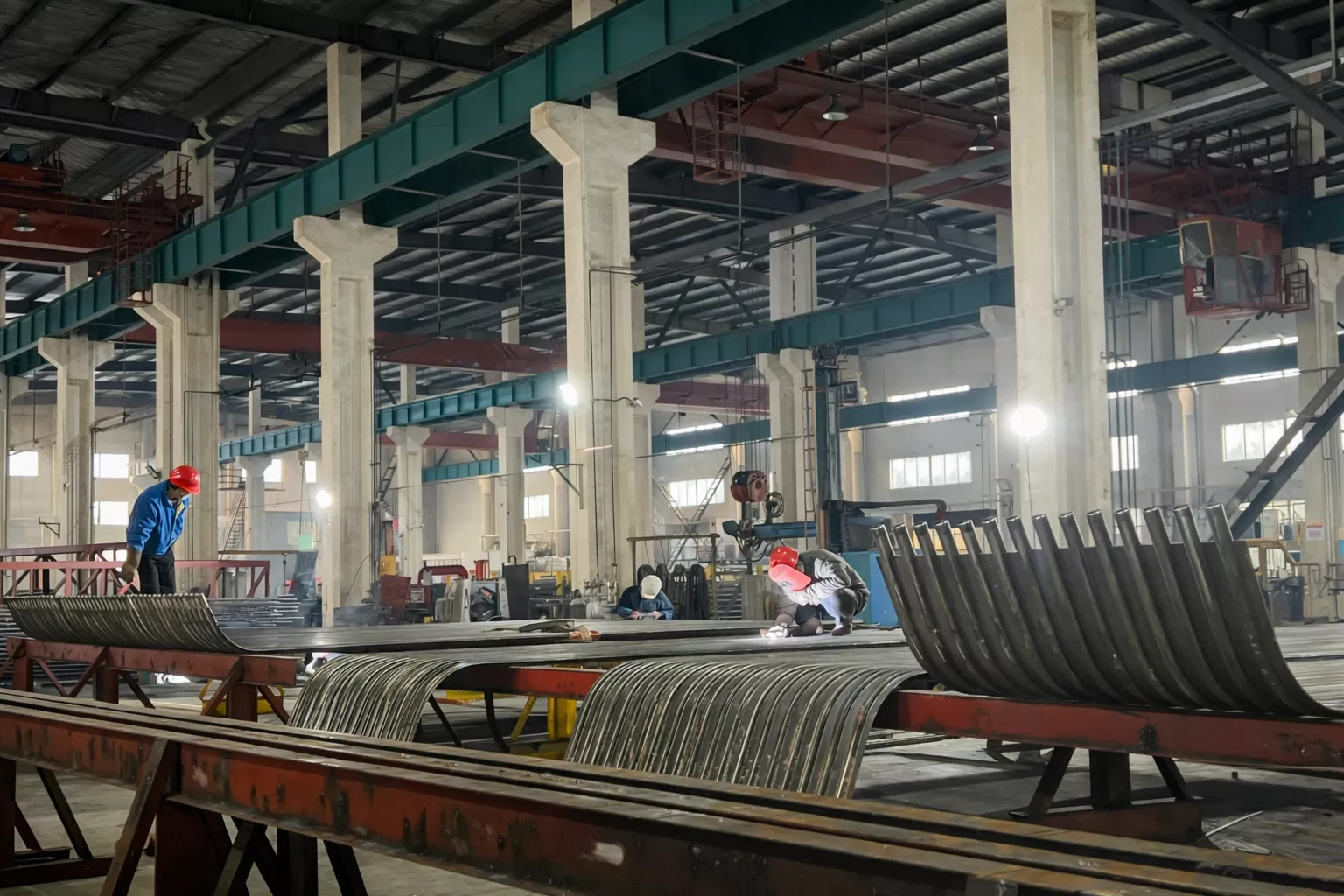
Pressure-Part Manufacturing
Pressure vessel fabrication facility
Quality & Compliance
Factory & Process
See Our Manufacturing Process
See selected engineering, fabrication and inspection processes used for boiler pressure parts and related assemblies.
Waste Heat Boiler Manufacturing Process
Watch selected fabrication processes for boiler pressure parts and related assemblies
Manufacturing Process Highlights
Engineering Design & Thermal Calculation
Engineering review and heat-transfer analysis based on supplied process data and project scope
Material Procurement & Inspection
Material certification and traceability documentation as specified by the applicable project requirements
Precision Fabrication & Welding
Qualified welding procedures and personnel, with NDE performed according to the applicable code, drawings and ITP
Testing & Final Inspection
Dimensional verification, specified testing and third-party inspection when included in the agreed scope
Competitive Advantages
Why Choose ORL Waste Heat Boilers
Manufacturing, inspection and documentation support for project-specific waste heat boiler and pressure-part supply scopes.
Engineering Review
Tube configuration, gas-side arrangement, thermal expansion and modularization are reviewed according to process data, service conditions and project requirements.
- • Gas-flow analysis when required
- • Heat-transfer surfaces selected by service
- • Stress and thermal-expansion review as applicable
Project Scheduling
The project schedule is reviewed after the engineering scope, document approval process, material requirements, inspection plan and delivery boundary are defined.
- • Schedule reviewed at quotation stage
- • Procurement coordinated with drawing approval
- • Modular shipping considered where practical
Quality Assurance
Material traceability, welding, inspection and documentation are managed according to the agreed code, approved documents and contract scope.
- • ASME S & U capabilities and ISO 9001 quality system
- • NDE scope defined by code, drawings and ITP
- • Third-party inspection support when specified
Global Reach
Manufacturing in Jiangsu supports international shipment. Documentation, packing and site-service requirements can be reviewed as part of the project scope.
- • Experience serving customers in 50+ countries
- • Documentation language agreed by project
- • Installation supervision reviewed when requested
Commercial Review
Manufacturer quotations are prepared against a defined supply boundary, material specification, inspection scope, documentation requirements and delivery terms.
- • Clear supply boundary
- • Material utilization reviewed
- • Payment terms agreed contractually
Project Coordination
ORL can coordinate proposal review, manufacturing documents, inspection activities and shipment according to the agreed responsibility matrix.
- • Proposal-stage technical clarification
- • Site services when included in the contract
- • Spare-parts requirements reviewed by project
Industry Solutions
Waste Heat Recovery Applications
Project-specific configurations can be reviewed for multiple industries, based on process requirements, gas conditions, applicable code and site constraints. Listed temperature ranges are indicative source examples only.
Cement, Steel & Metallurgy
Kiln exhaust, preheater tower, sintering, blast furnace, and converter gas heat recovery. Dust loading, fouling risk, cleaning arrangement and material selection are reviewed for the stated process conditions.
- • Cement kiln gas: 300-400°C, high dust
- • Steel reheat furnace: 350-700°C
- • High-pressure steam generation
- • Modular design for plant retrofits
Glass, Ceramics & Chemical
Glass furnace, ceramic kiln, and process heater exhaust heat recovery. Clean gas applications with compact footprint and corrosion-resistant materials.
- • Glass furnace flue gas: 400-600°C
- • Process heater exhaust: 250-500°C
- • Corrosion-resistant material selection
- • Compact footprint design
Power Generation & Waste Treatment
Gas turbine, diesel engine exhaust, and incinerator flue gas heat recovery. Combined-cycle and process-steam applications reviewed against the available exhaust conditions.
- • Gas turbine exhaust: 350-550°C
- • Incinerator flue gas: 200-400°C
- • Combined heat and power (CHP)
- • Carbon emission reduction support
Typical Project Scenarios
Cement Plant WHB System
CementExample configuration for a cement-plant waste heat recovery scope. Final performance is determined from approved process data and operating conditions.
Steel Reheat Furnace WHB
SteelExample vertical natural-circulation arrangement for steel reheat-furnace exhaust. Steam conditions and equipment scope are confirmed through project engineering.
Gas Turbine HRSG
Combined CycleExample horizontal HRSG arrangement for a gas-turbine heat-recovery application. Gas-side pressure drop, heat-transfer surfaces and steam conditions are reviewed against project requirements.
Frequently Asked Questions
Waste Heat Boiler Technical FAQ
Comprehensive answers to the most frequently asked questions by plant managers, energy engineers, and EPC contractors considering waste heat recovery projects.
Which process gases can your waste heat boilers handle?
Waste heat boiler configurations can be reviewed for clean and dust-laden flue gases from a range of industrial processes. The temperatures below are indicative source examples:
High Temperature Sources:
- • Cement kiln exhaust (300-400°C)
- • Glass furnace flue gas (400-600°C)
- • Steel reheat furnace (350-700°C)
- • Lime kiln exhaust (300-500°C)
Medium Temperature Sources:
- • Gas turbine exhaust (350-550°C)
- • Diesel engine exhaust (300-450°C)
- • Incinerator flue gas (200-400°C)
- • Process heater exhaust (250-500°C)
Gas composition, dust loading, fouling tendency and corrosive constituents are reviewed during material, layout and cleaning-system selection. Suitability is confirmed from the project data.
How do you select a suitable boiler configuration for a project?
Boiler type and layout selection is based on the available process conditions, project requirements and site constraints:
- • Thermal review: Gas flow rate, temperature profile, heat-transfer calculations and required steam parameters
- • Mechanical design: Pressure drop limitations, structural support, thermal expansion, and maintenance access
- • Site integration: Available space, transportation limits, existing infrastructure, and installation requirements
- • Configuration options: Vertical/horizontal natural circulation, fire tube/water tube, modular sections, or hybrid designs
The proposal-stage review scope is confirmed according to the information available and the requirements of each project.
What design features improve efficiency and long-term reliability?
Design review balances heat recovery, gas-side pressure drop, thermal expansion, maintenance access and expected operating conditions:
Heat Transfer Enhancement:
- • Bare or finned tubes selected by service
- • Tube pitch and arrangement reviewed by project
- • Gas / water-steam flow arrangement selected by service
- • Multi-pass arrangement when suitable
Reliability Features:
- • Drainage provisions reviewed for the arrangement
- • Thermal-expansion provisions defined by design
- • Material selection based on service conditions
- • Inspection and maintenance access considered
Efficiency, footprint, pressure drop and design life are project-specific. They are confirmed only after review of the process data, selected configuration, materials and applicable design criteria.
What is the typical ROI and payback period for waste heat recovery projects?
ROI and payback are not fixed equipment values. They depend on recoverable heat, annual operating hours, steam demand, energy prices, plant integration, maintenance assumptions and local commercial conditions.
ORL can support a preliminary technical review when the required process and commercial inputs are available. Any economic estimate should be verified against the customer's actual operating data and evaluation method.
How long does delivery, installation, and commissioning take?
Delivery, installation and commissioning schedules depend on engineering scope, drawing approval, material availability, code review, inspection hold points, module size, shipping route and site conditions.
A project-specific schedule is provided after the supply boundary and technical documents are confirmed. Planned shutdown windows and site responsibilities should be reviewed with the customer before the schedule is finalized.
What information is needed for a detailed waste heat boiler quotation?
More complete process data supports a more detailed technical and commercial review. Please provide:
Process Data (Critical):
- • Gas temperature (inlet/outlet target)
- • Gas flow rate (Nm³/h or kg/h)
- • Gas composition (O₂, CO₂, SO₂, NOₓ)
- • Dust content (mg/Nm³)
Steam & Site Data:
- • Required steam pressure and temperature
- • Feedwater temperature and quality
- • Available space and height limits
- • Design code (ASME, EN, GB, or other agreed project requirements)
With limited data, ORL can first confirm whether a preliminary review is feasible and identify the information still required for a technical and commercial proposal.
Have more specific questions about waste heat boiler technology?
Ask Our EngineersGet Your Waste Heat Boiler Proposal
Share your process data and project requirements. Our team will review the available information and confirm the appropriate technical and commercial follow-up for your project.
What Information We Need
- Process Description: Heat source, industry type, and application
- Gas Data: Temperature, flow rate, and composition
- Steam Requirements: Pressure (MPa), temperature (°C), flow (t/h)
- Site Constraints: Space, height limits, transportation access
- Project Timeline: Expected delivery and commissioning date
Direct Contact Options
Why Choose ORL Waste Heat Boilers?
- ✓ 20+ years of boiler and pressure-equipment manufacturing experience
- ✓ ASME S & U capabilities; EN and GB requirements reviewed as applicable
- ✓ Project-specific engineering review based on process conditions
- ✓ Documentation scope agreed for each project
- ✓ Commercial terms and delivery schedule confirmed after scope review