
BOILER ECONOMIZER
Economizer supply for industrial boilers — new builds, retrofits, and replacement bundles. We focus on engineering review, supplier QC, and documentation control to reduce fit-up, schedule, and compliance risk.
Fundamentals
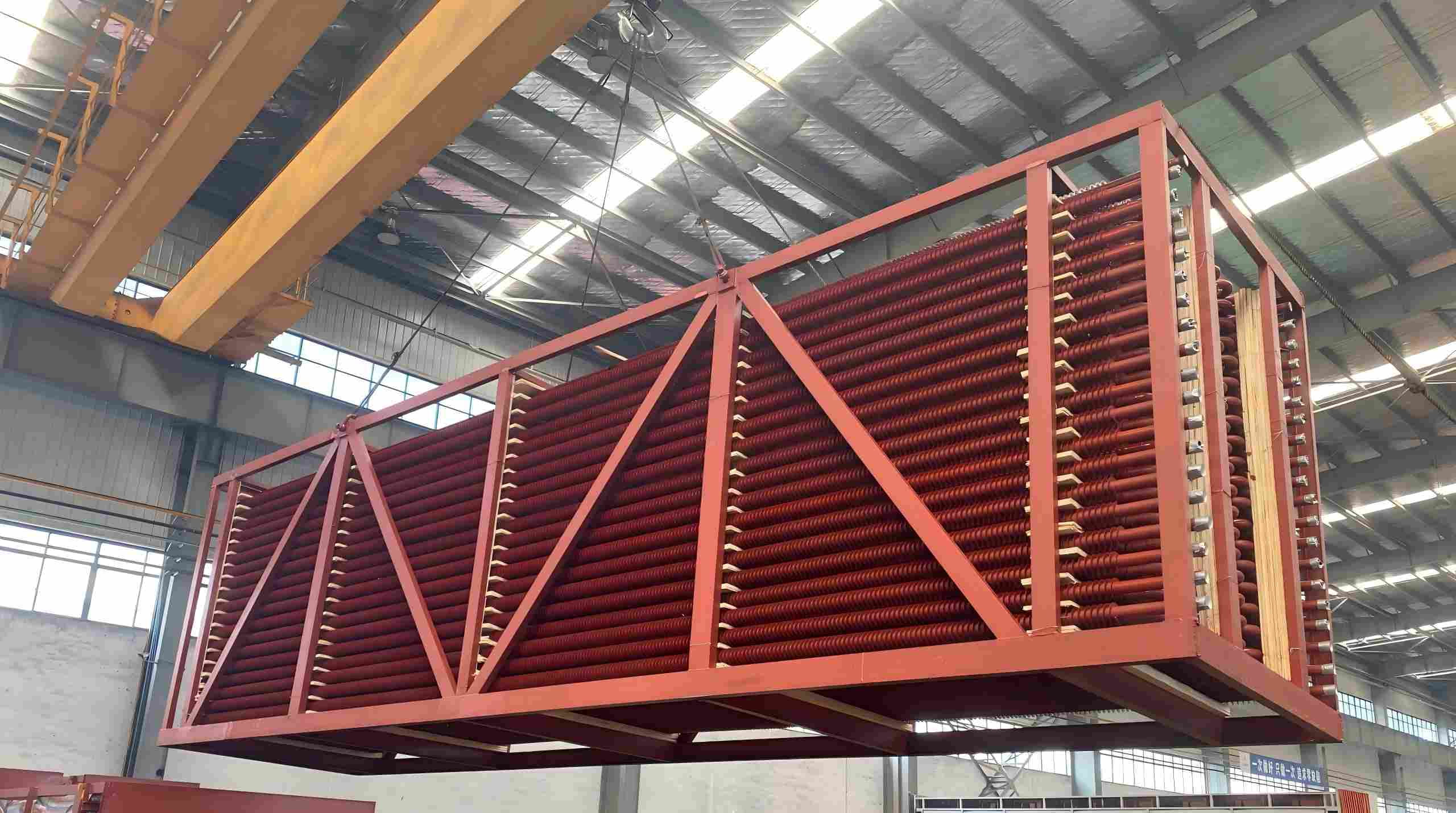
What is a Boiler Economizer?
A heat-recovery section that uses flue gas energy to preheat feedwater — improving efficiency and reducing thermal stress.
How It Works
What We Supply
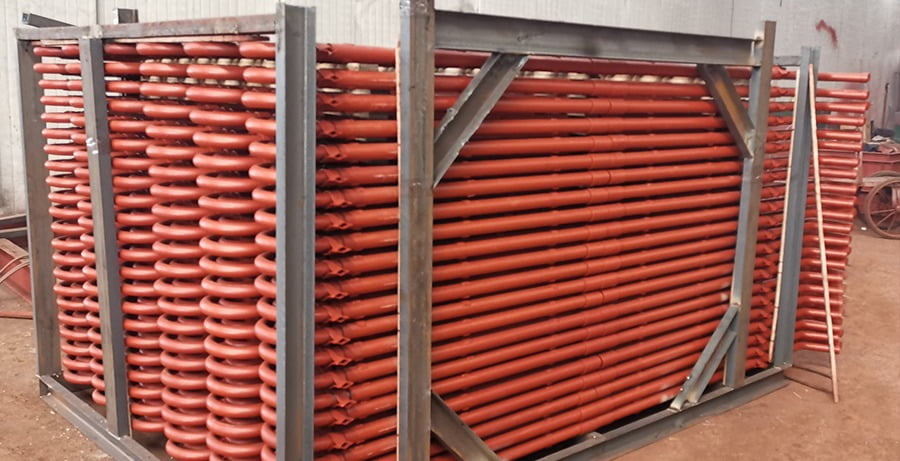
- Economizer coils / tube banks
- Bare tube / H-fin / spiral fin
- Replacement bundles for outages
- Headers, inlet/outlet connections
- Documentation & inspection records
Product Range
Types & Selection
Select by fuel/ash profile, footprint, cleaning access, and corrosion risk.
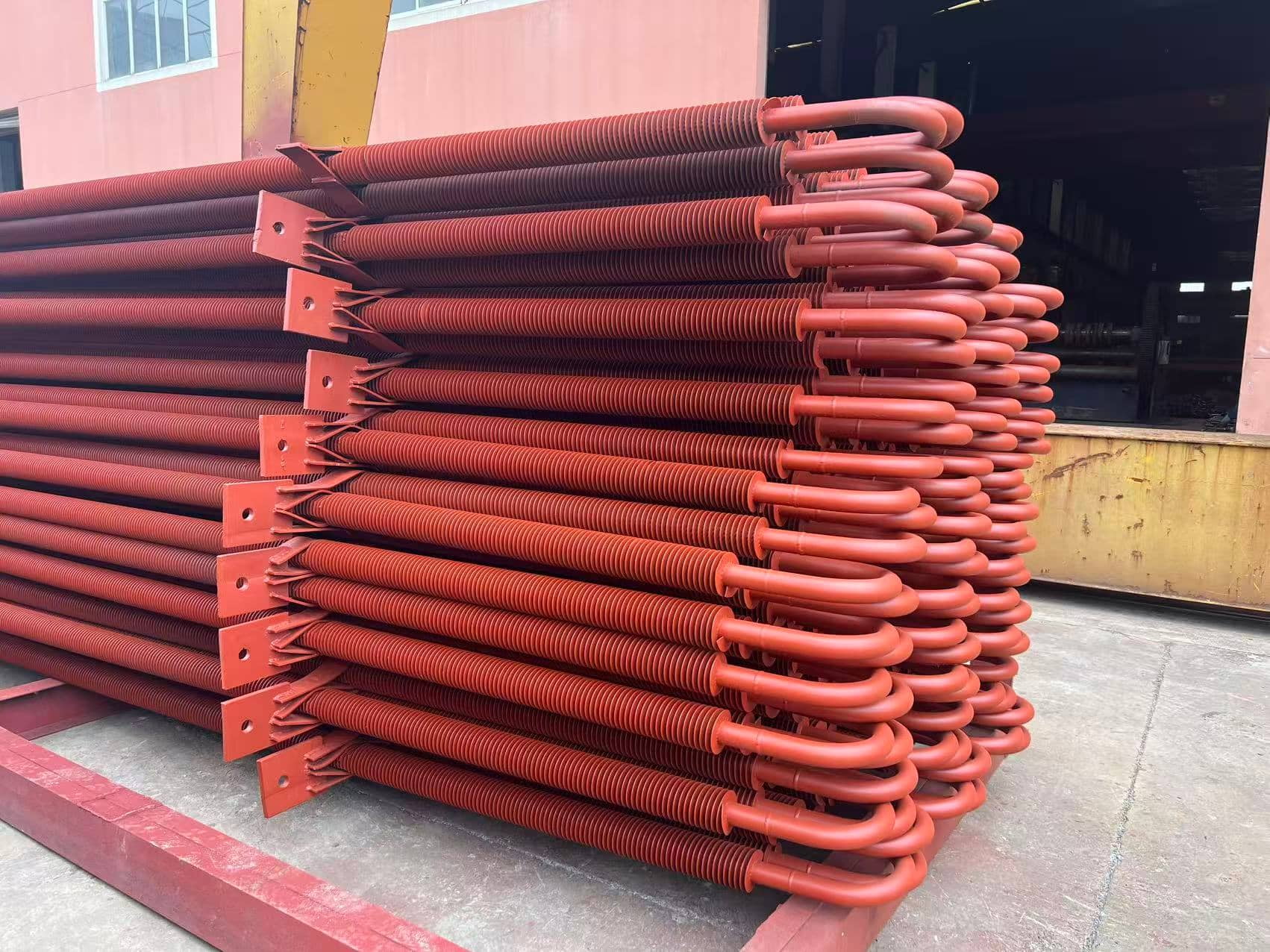
Finned Tube Economizer
Compact footprint where gas is relatively clean and space is tight. Higher heat transfer area per metre of length.
- • Spiral fin / H-fin options
- • Ideal for retrofit space constraints
- • Best with low-ash fuels (gas, oil, biomass)
- • SA-210 A1 / T11 / T22 tubes
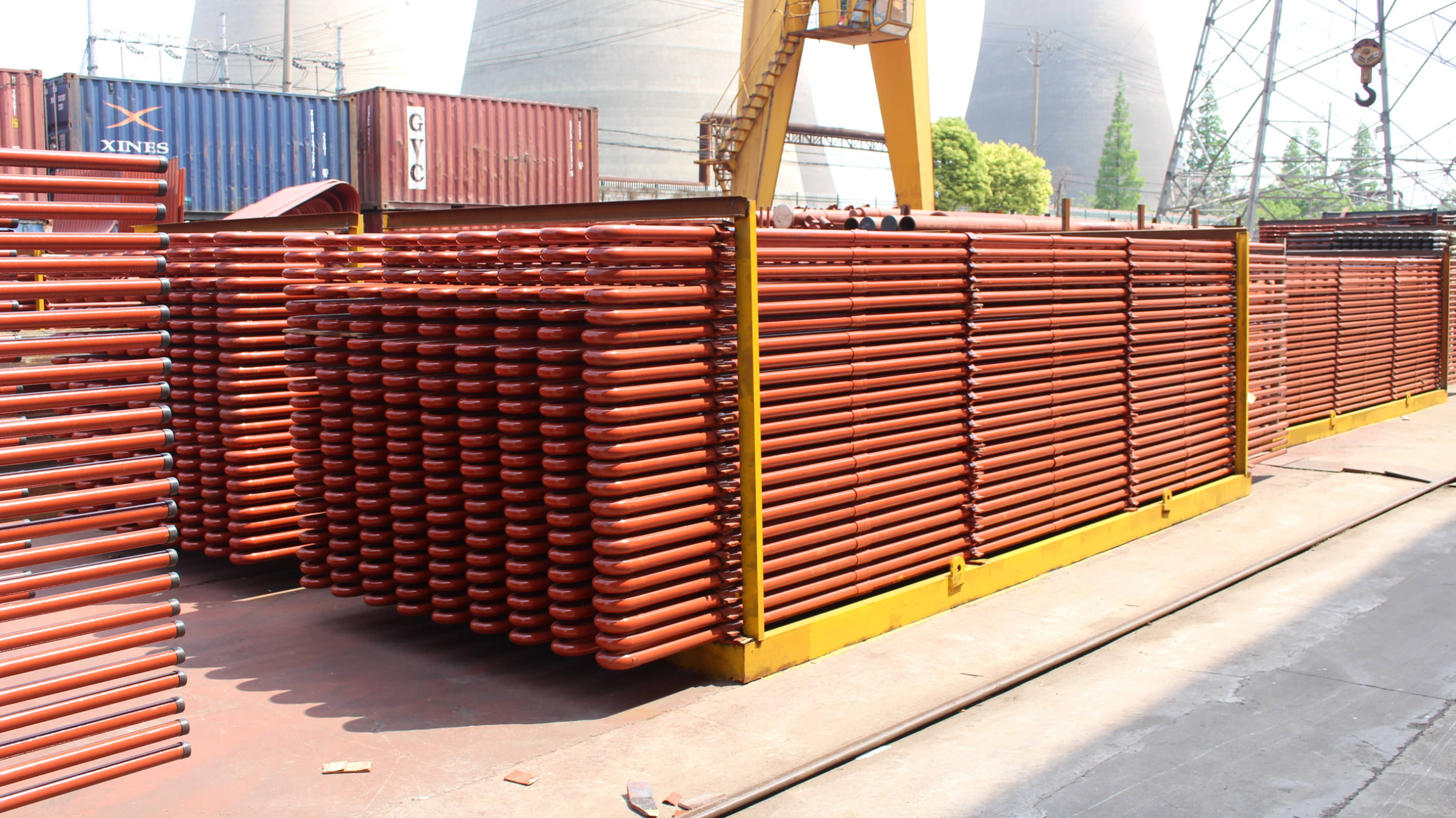
Bare Tube Economizer
Preferred for coal, CFB, and high-ash conditions where soot blowing and cleanability matter most.
- Easier soot blower access
- Robust for dirty / high-ash fuels
- Widely used in CFB & coal boilers
- In-line or staggered arrangement
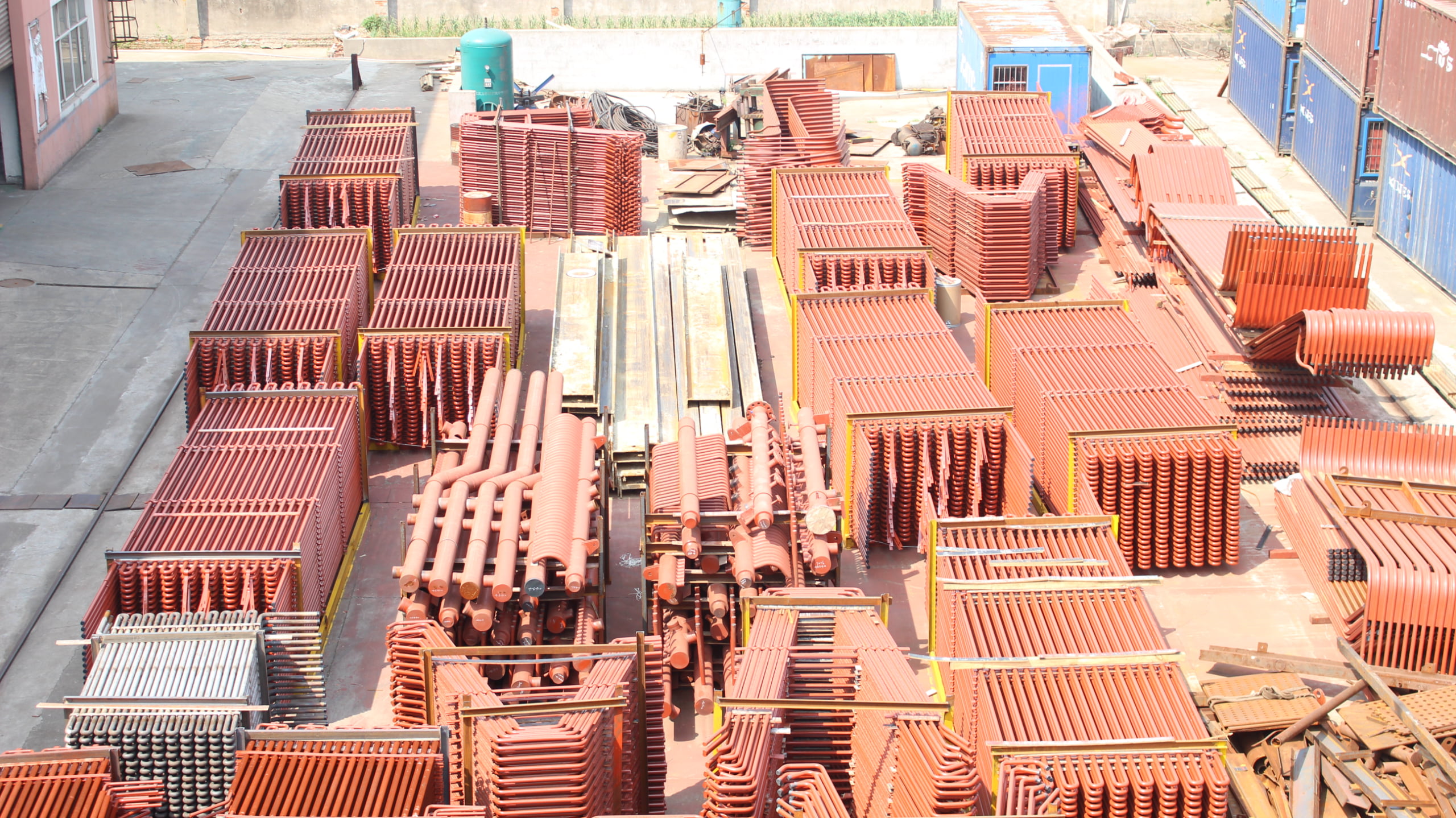
Replacement Bundles
Designed to match your existing casing geometry and nozzle interfaces — minimising outage time and fit-up risk.
- • Interface review & dimensional check
- • Build-to-print or reverse engineering
- • Documentation & inspection readiness
- • Export packing & logistics support
Not sure which type fits your boiler? Send us your specs and we'll advise.
Get Technical AdviceQuality Assurance
Materials & Standards
Code alignment and documentation are handled per project scope and customer requirements.
Typical Tube Materials
Design Codes We Work To
I/VIII
9222
12952
Certifications & Capability Evidence
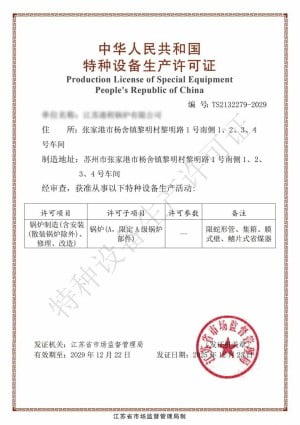
Grade A Boiler
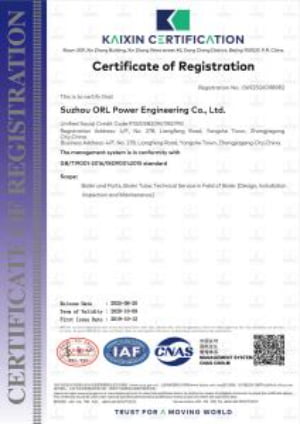
ISO 9001
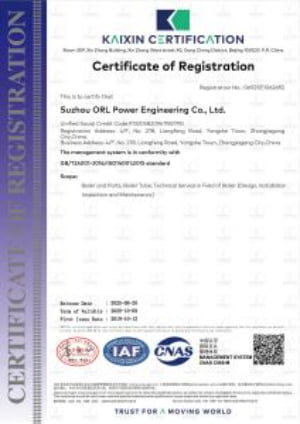
ISO 14001
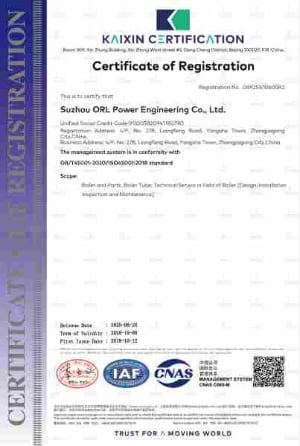
ISO 45001
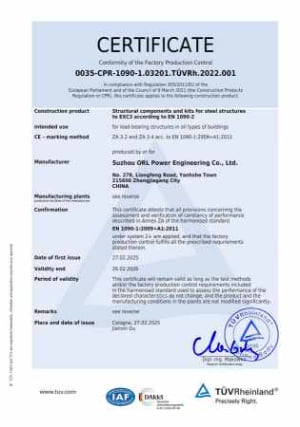
EN 1090
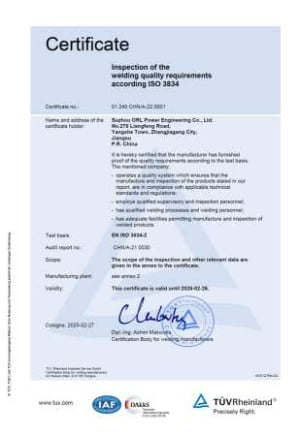
EN 3834
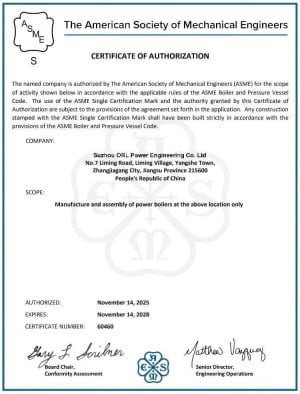
ASME S
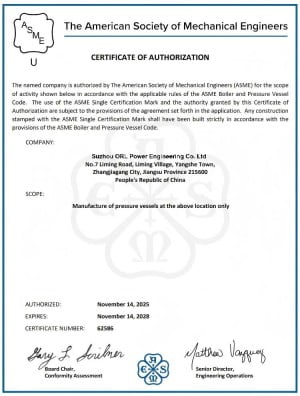
ASME U
Our Advantage
Why Choose ORL
What separates a reliable economizer supplier from one that creates delays, non-conformances, and site rework.
Engineering-First Approach
We review your drawings before production — checking tube pitch, header nozzle positions, and thermal duty — to catch fit-up problems before they reach site.
Full Documentation Package
Material test certificates (EN 10204 3.1), WPS/PQR, hydro-test reports, NDE records, and dimensional inspection — all supplied as standard, not extra.
Outage Schedule Awareness
We understand that late delivery = lost generation revenue. Production progress is tracked weekly and we flag risks early so you can adjust logistics.
Export Experience
50+ countries served. We handle sea-freight packing, fumigation certificates, Bill of Lading, and country-specific import documentation.
ASME & GB Dual Capability
Certified for both international ASME codes and Chinese GB standards — giving you the flexibility to specify the code that matches your project jurisdiction.
Responsive Technical Team
English-speaking engineers handle inquiries directly — no translation delays. Technical questions answered within 24 hours.
Ready to work with a reliable economizer supplier?
Share your project data and get a response from our engineering team within 24 hours.
Applications
Industries We Serve
ORL economizers are installed across a wide range of boiler applications and industrial processes worldwide.
Power Plants
CFB, pulverised coal, and biomass utility boilers. New build and outage replacement scope.
Sugar & Agro
Bagasse and biomass cogeneration boilers for sugar mills and agricultural processing facilities.
Waste Heat Recovery
HRSG units and waste heat boilers for steel, cement, glass, and metallurgical processes.
Industrial Process
Gas, oil, and coal-fired process boilers for chemical, petrochemical, and manufacturing facilities.
Waste Incineration
Municipal solid waste and industrial hazardous waste boilers. Corrosion-resistant tube materials available.
EPC Contractors
Design-and-build support for EPC contractors requiring economizer packages with full third-party inspection.
O&M / Retrofit
Operations teams requiring drop-in replacement bundles with minimum engineering effort and outage time.
Trading Companies
B2B supply chain partners requiring consistent quality, competitive pricing, and reliable export documentation.
Tell us your industry and boiler type.
We'll confirm tube material, fin type, and design code in one reply.
Manufacturing Process
Factory & Process
From raw tube to final hydro-test — see how ORL Power controls each step of economizer manufacturing.
Key Production Steps
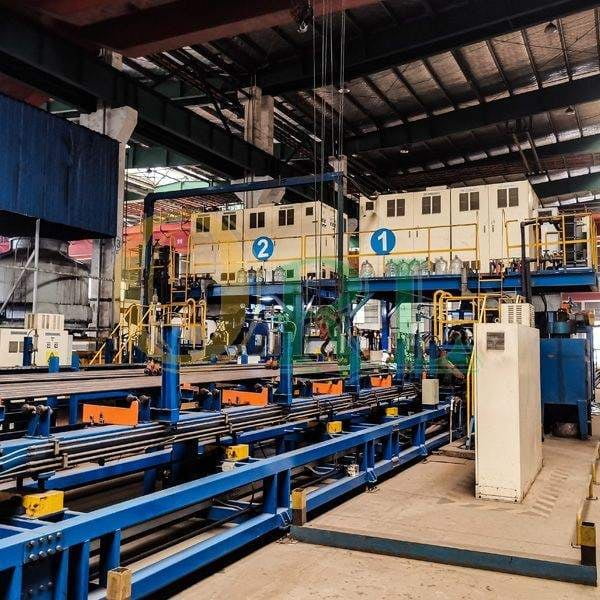
Tube welding workshop
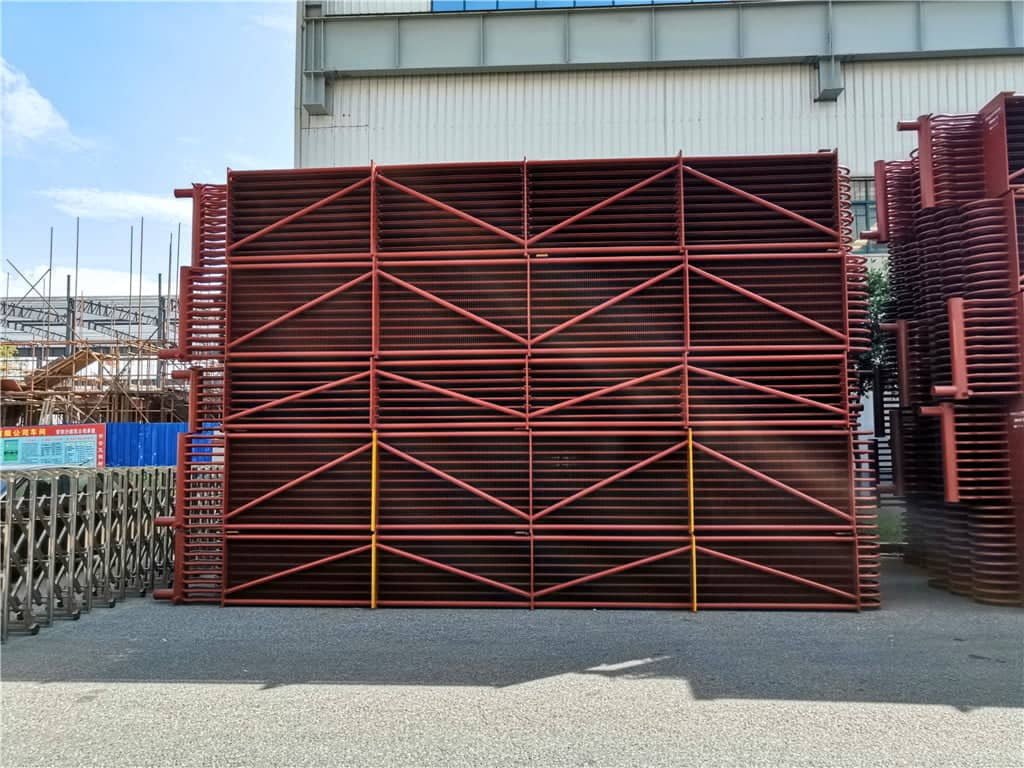
Fin tube bundle assembly
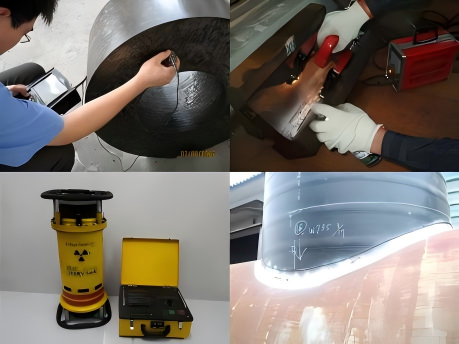
Hydrostatic pressure testing
Project Portfolio
Recent Project Highlights
Selected projects showcasing our economizer manufacturing and export capabilities.
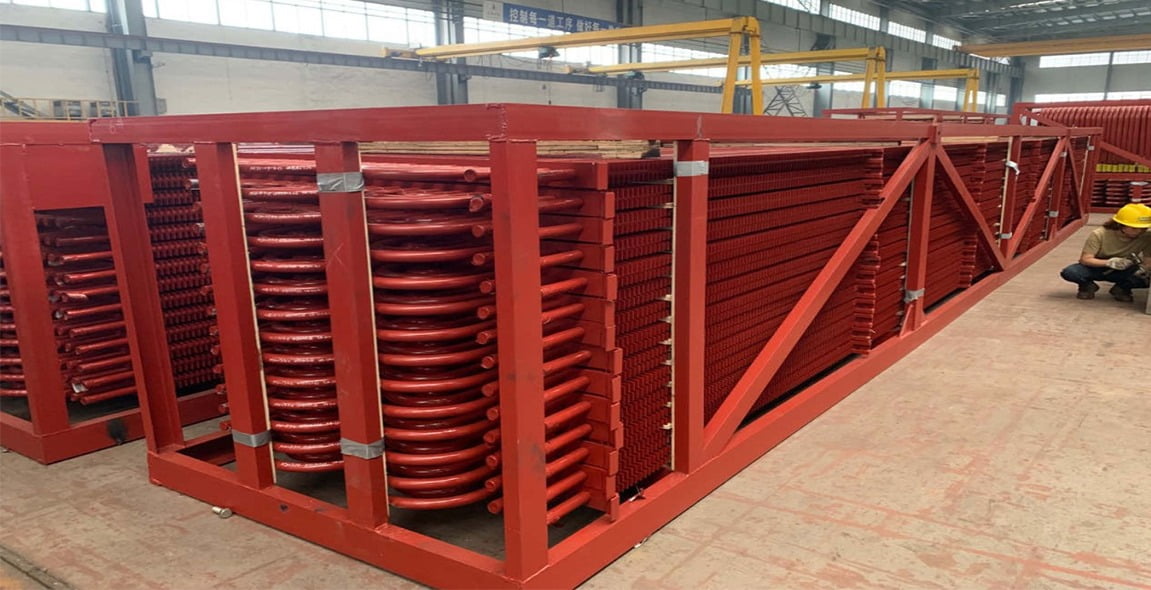
Biomass Boiler — Sugar Mill (Philippines)
Economizer for biomass cogeneration, export project with third-party inspection.
Power Plant Boiler Upgrade (Algeria)
Retrofit to recover performance and extend service life.
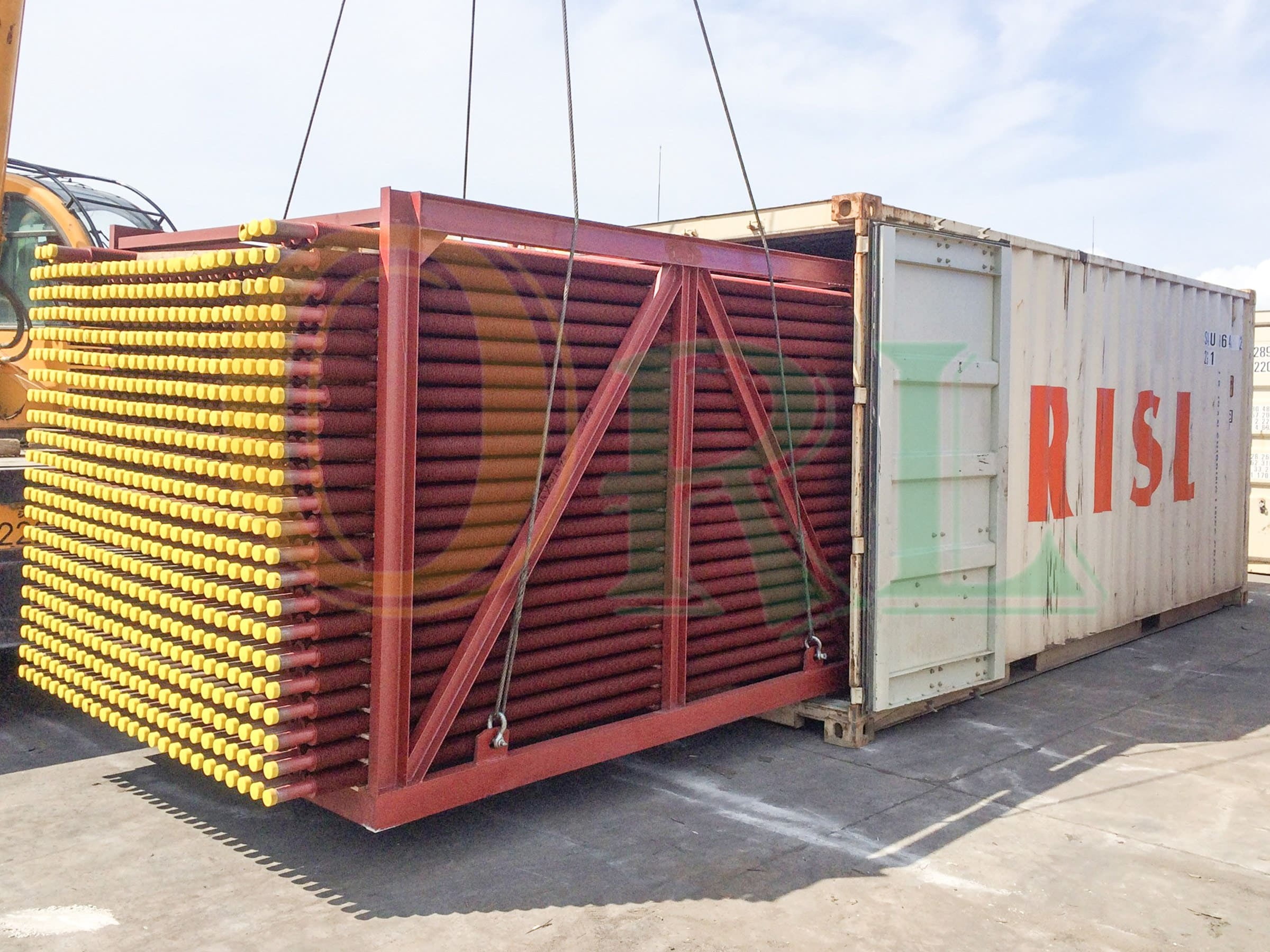
Metallurgical Waste Heat Boiler (Korea)
Economizer sections for industrial waste heat recovery.
Have a similar project? We'd like to hear about it.
Discuss Your ProjectCustomer Visits & Evidence
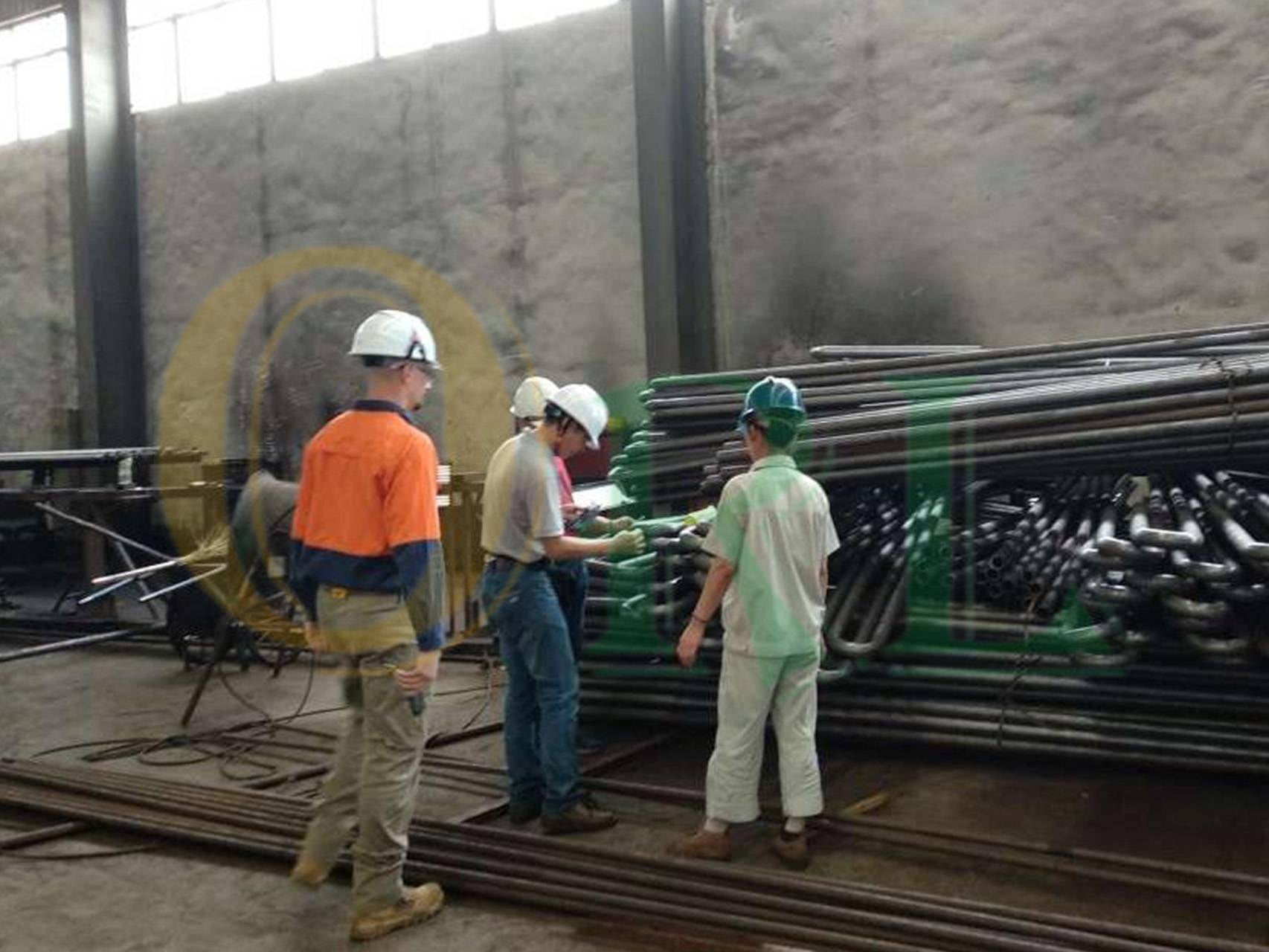
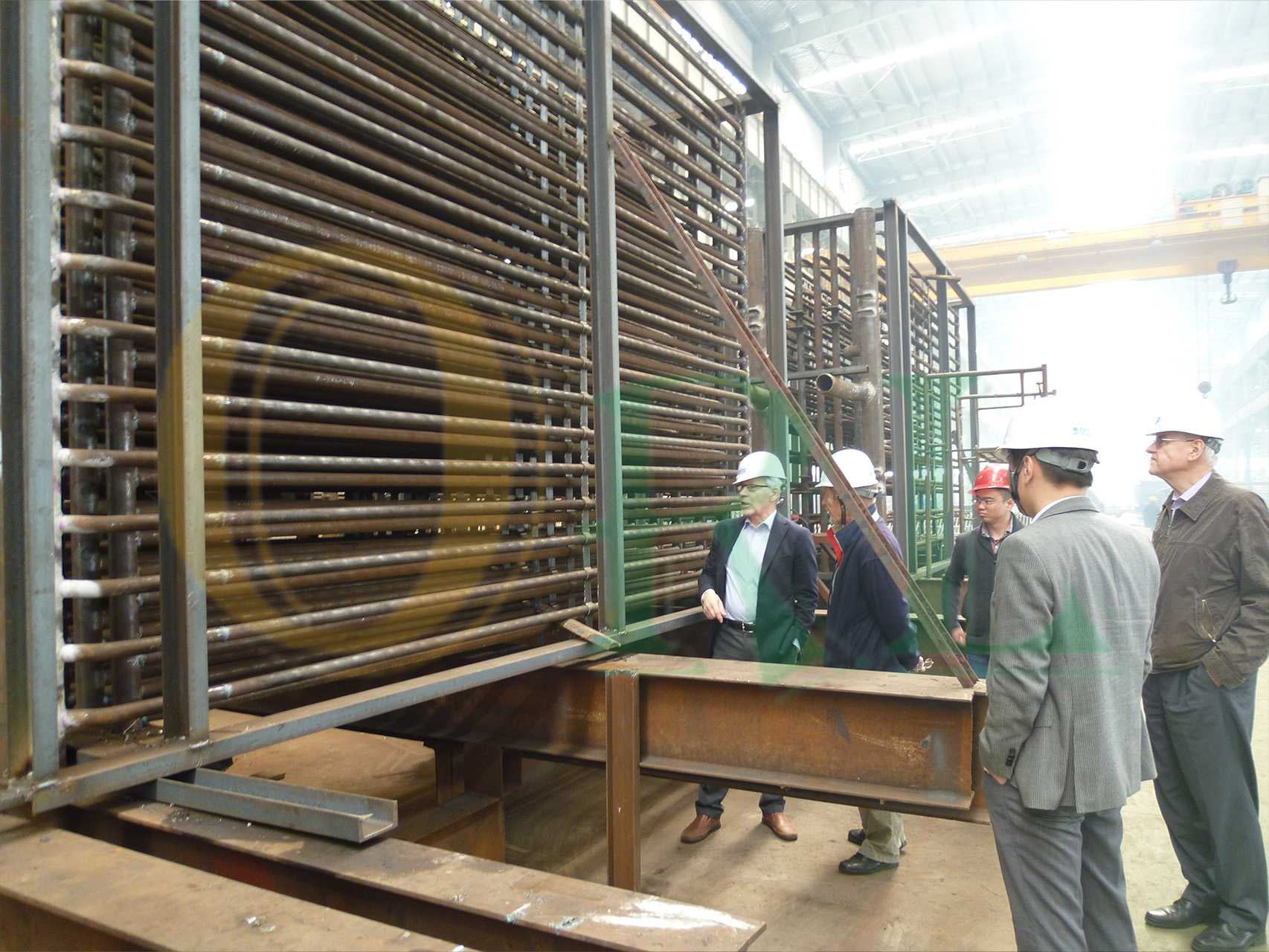
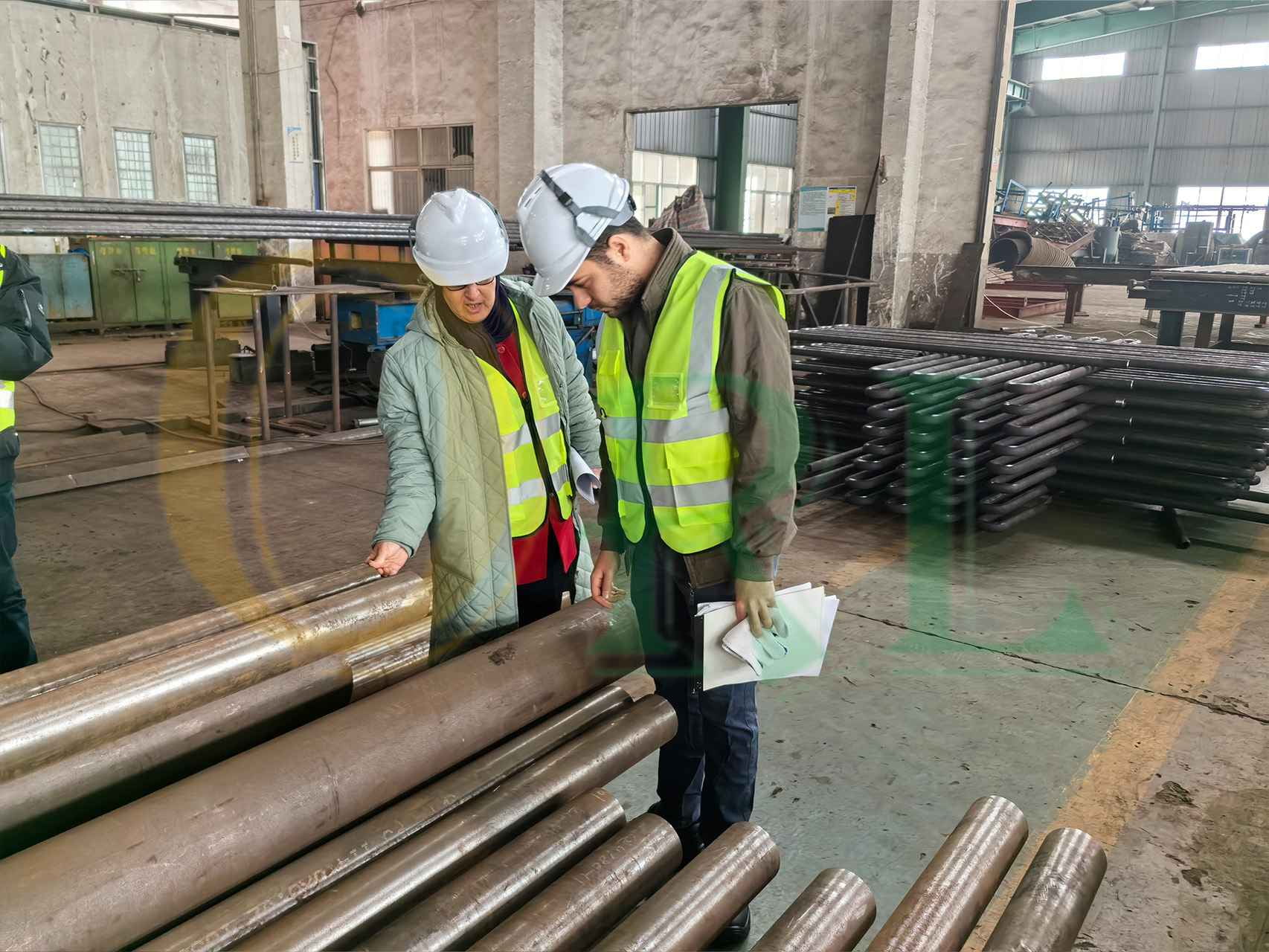
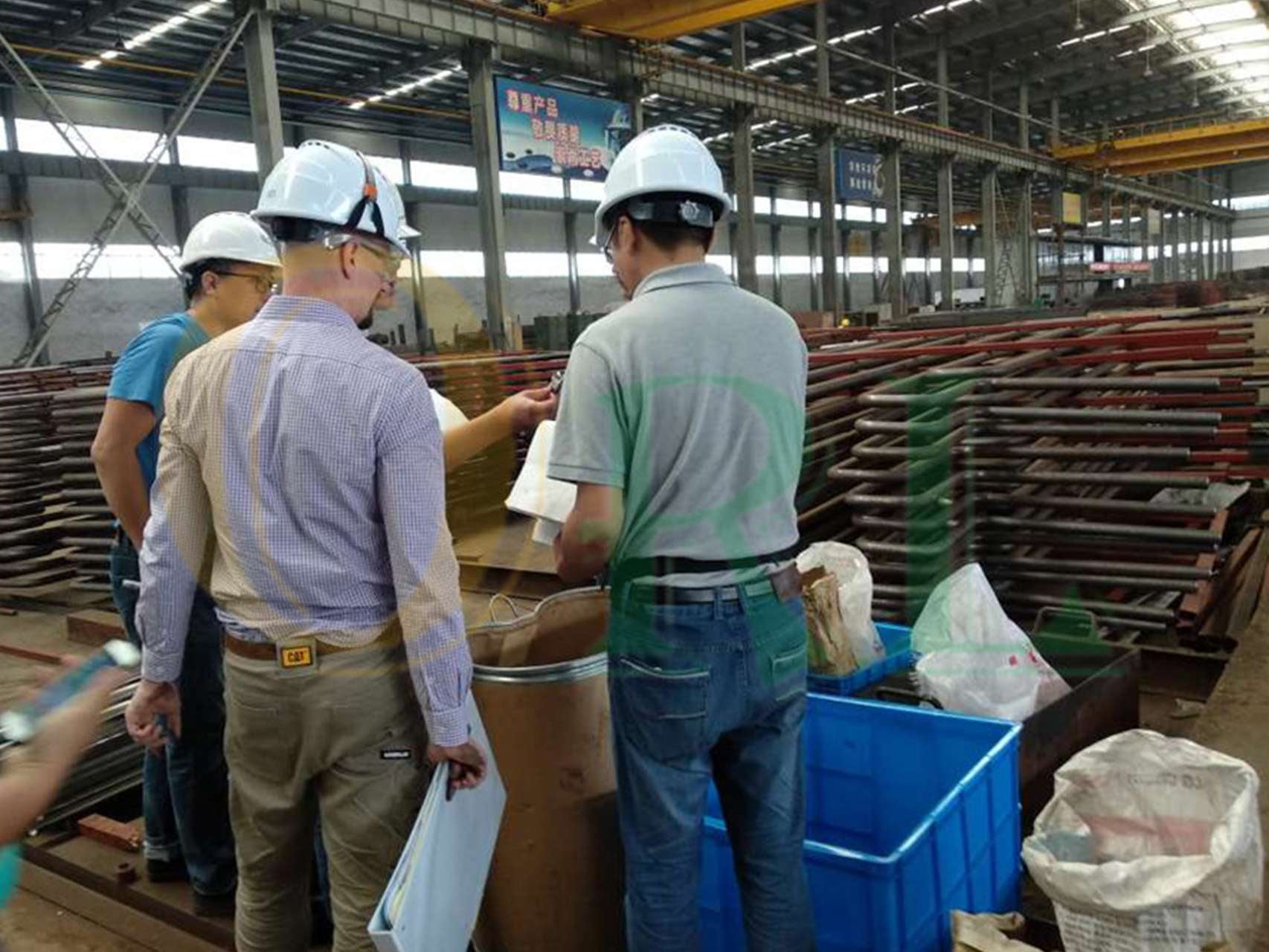
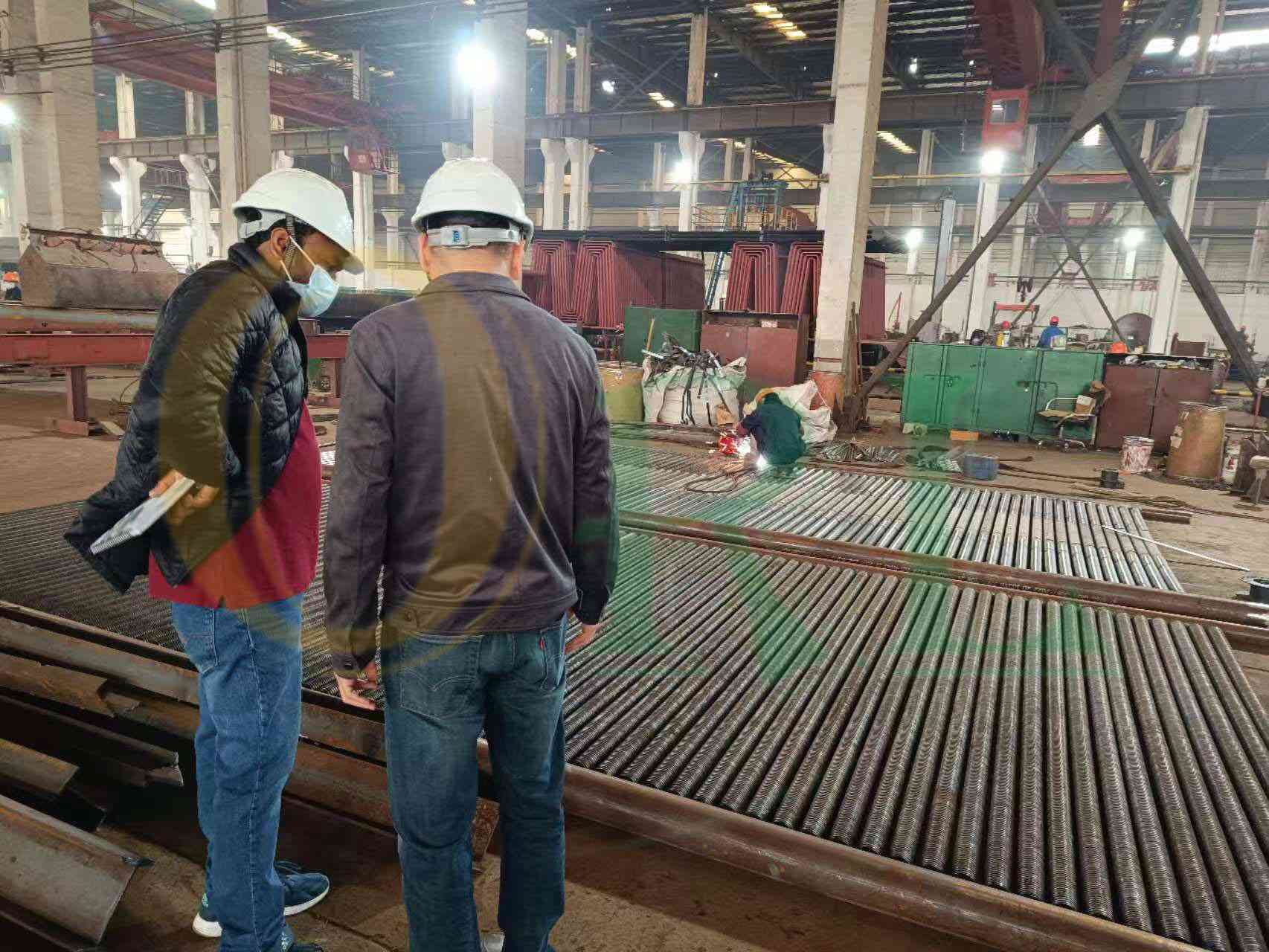
Customers review workflow, inspection steps, and documentation practices.
Frequently Asked Questions
Economizer FAQ
Common questions from EPC contractors, plant engineers, and procurement teams worldwide.
What is a boiler economizer and what does it do?
A boiler economizer is a heat exchanger installed in the flue gas path downstream of the superheater and reheater. It recovers residual thermal energy from exhaust gases to preheat boiler feedwater before it enters the steam drum. This reduces the amount of fuel required to raise feedwater to steam conditions, improving overall boiler efficiency by typically 2–5% depending on flue gas temperature and water inlet temperature. Economizers also reduce stack gas temperature, which lowers CO₂ emissions per unit of steam generated.
What is the difference between a bare tube and a finned tube economizer?
Bare tube economizers use plain steel tubes without any extended surface. They are preferred where flue gas carries significant ash or soot — such as coal-fired or biomass boilers — because fins trap deposits and create cleaning difficulties. Bare tube designs are more robust, easier to soot-blow, and simpler to inspect.
Finned tube economizers attach continuous spiral fins or H-shaped fins to the tube outside surface, dramatically increasing heat transfer area per metre of tube length. This allows a more compact unit with lower gas-side pressure drop. Finned types are ideal for clean-gas applications such as gas-fired boilers, oil-fired boilers, and biomass units with effective particulate control.
What materials are used for economizer tubes?
Material selection depends on operating pressure, temperature, and flue gas chemistry:
- • SA-210 A1 / 20G — Carbon steel, standard duty up to ~450 °C and pressures below 10 MPa
- • SA-213 T11 / T22 — 1¼Cr and 2¼Cr alloy steels for higher-pressure / higher-temperature units
- • SA-213 T91 — 9Cr-1Mo for supercritical and ultra-supercritical boilers
- • TP304 / TP316 — Stainless steel where corrosive flue gases are present (waste incineration, sulphur fuels)
- • ND Steel / Corten — Low-temperature acid dew-point resistant grades for tail-end condensing economizers
All tube materials are supplied with EN 10204 3.1 mill test certificates and full traceability records.
What information do you need to quote an economizer?
To provide an accurate quotation, the following information is most useful:
- • Boiler type and fuel (coal, biomass, gas, oil, waste, etc.)
- • Design pressure and operating temperature
- • Feedwater flow rate and inlet / outlet temperature
- • Flue gas flow, inlet temperature and dust loading (if available)
- • New build or replacement — if replacement, existing bundle drawings or dimensions
- • Applicable design code (ASME / GB / EN or project-specific)
- • Required delivery date or outage window
If you have general arrangement drawings or boiler data sheets, please share them. If not, our engineers can work with basic boiler data to develop a preliminary proposal.
Can you supply a replacement economizer bundle to fit an existing boiler?
Yes — replacement bundles are a significant part of our business. We supply in two modes:
- • Build to print — you provide existing drawings or dimensional survey data and we manufacture to match
- • Reverse engineering — where drawings are unavailable, we review available dimensional data (header centres, tube pitch, nozzle positions) to develop a manufacturing drawing for your approval
Before confirming the order, we carry out an interface review to check header nozzle positions, casing opening dimensions, and support frame compatibility. This step prevents field fit-up problems and is included as standard in our quotation process.
What design codes can ORL Power economizers be manufactured to?
ORL Power is certified and experienced under the main international boiler and pressure vessel codes:
- • ASME Section I (Power Boilers) — with ASME S stamp capability
- • Chinese GB — GB/T 9222, GB/T 5310, TSG G0001
- • EN 12952 — European water-tube boiler standard
- • Project-specific codes confirmed during technical discussion
The applicable code is confirmed during the technical review stage and drives material selection, welding procedure qualification, NDE scope, and documentation requirements.
What documentation and inspection records come with the economizer?
Standard documentation package includes:
- • Material test certificates (EN 10204 3.1) for all pressure-bearing materials
- • Welding procedure specifications (WPS) and procedure qualification records (PQR)
- • Welder qualification certificates
- • Hydrostatic pressure test report
- • NDE reports (RT / UT / PT / MT as specified)
- • Dimensional inspection report
- • Heat treatment records (where required)
- • As-built drawing
Third-party inspection by SGS, Bureau Veritas, TÜV, Lloyd's Register, or other agencies can be arranged upon request.
What is the typical lead time for an economizer?
Lead time depends on bundle size, tube type, inspection scope, and current production schedule. Typical ranges after drawing approval:
- • Small replacement bundles: 6–10 weeks
- • Medium industrial economizers: 10–16 weeks
- • Large utility / multi-bank units: 16–24 weeks
For planned outages, we ask for the shutdown window date during the enquiry stage so we can build the schedule backwards from your required delivery date. Expedited options are available for emergency replacements — contact us with your situation.
How do you handle shipping and export documentation?
We ship from Shanghai (port of loading) to destinations worldwide. Standard export process includes:
- • Sea-worthy wooden crate or steel frame packing designed for the bundle dimensions
- • Moisture and corrosion protection (VCI film, desiccant)
- • Fumigation certificate (ISPM 15) where required
- • Commercial invoice, packing list, and Certificate of Origin
- • Bill of Lading coordination
- • FORM E (ASEAN-China FTA) or other preferential origin certificates available on request
We work with freight forwarders who specialise in industrial equipment and can assist with door-to-port or CIF arrangements.
Can ORL Power supply economizers for HRSG and waste heat boiler applications?
Yes. HRSG economizers and waste heat boiler economizer sections are within our standard scope. Key differences from conventional boilers include lower flue gas temperatures, lower tube-side pressures in LP economizers, and sometimes multiple pressure levels (HP / IP / LP). We design each module based on your heat balance data and can supply single-pressure or multi-pressure economizer trains. For metallurgical waste heat boilers (EAF, blast furnace, cement kilns), we have relevant project references.
Have a technical question not answered here?
Ask Our Engineering TeamGet Your Quote
Contact Our Engineering Team
Send us your drawings or specs — we reply within 24 hours with technical advice and pricing.
Get Your Economizer Quote
Send us your drawings or specs — we reply within 24 hours.
What to Include in Your Inquiry
- • Boiler type and fuel (coal, biomass, gas, etc.)
- • Operating pressure & temperature
- • Flue gas volume and inlet temperature (if available)
- • New build, retrofit, or replacement bundle
- • Design code preference (ASME / GB / EN)
- • Required delivery date or outage window